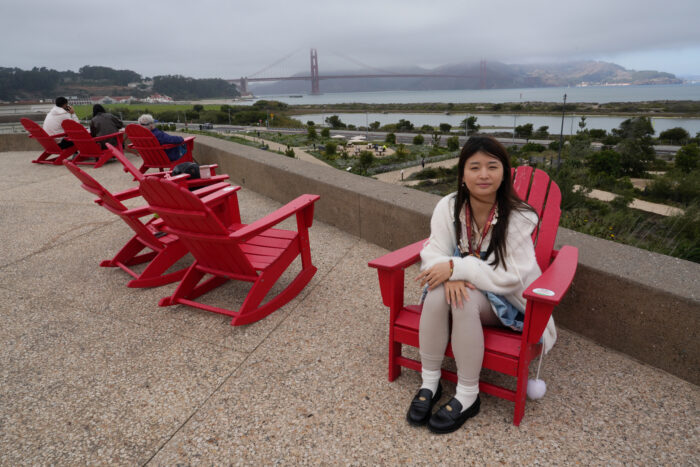
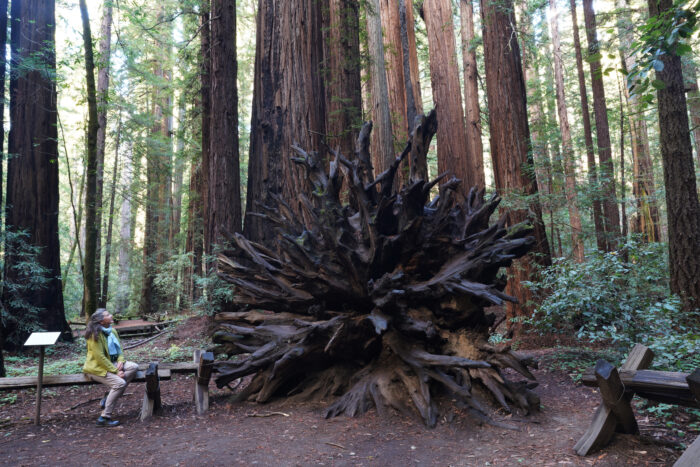
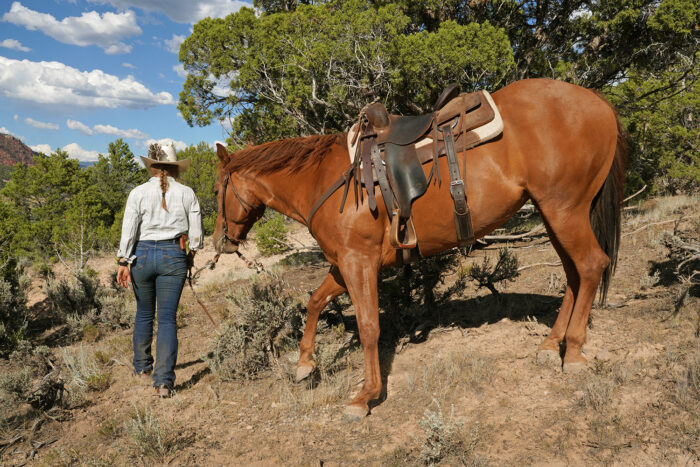
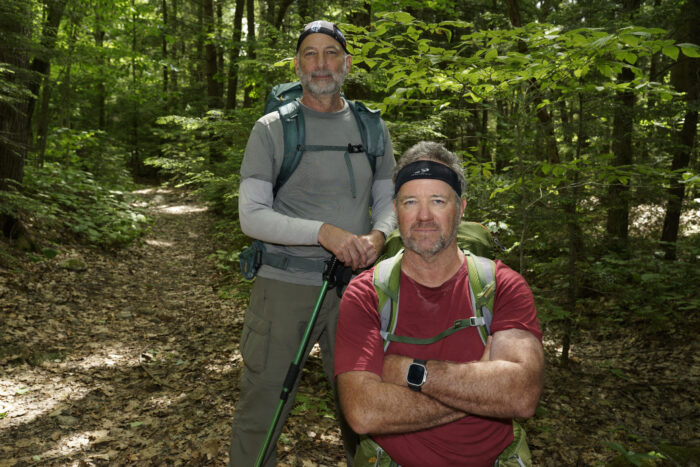
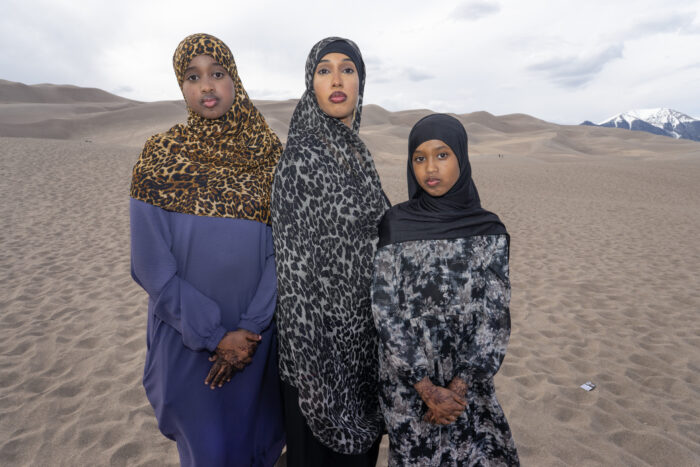
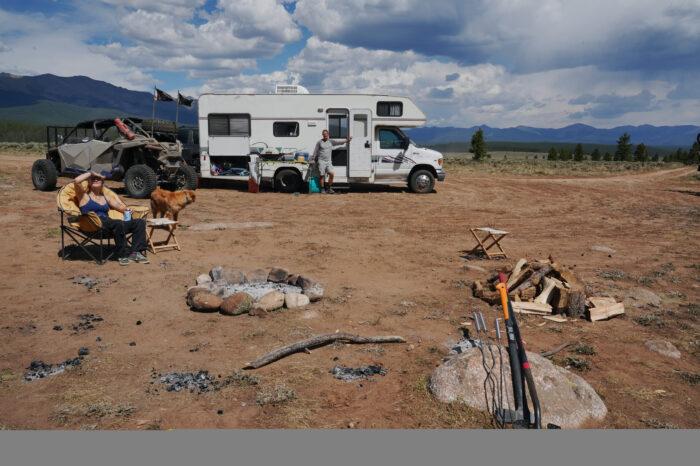
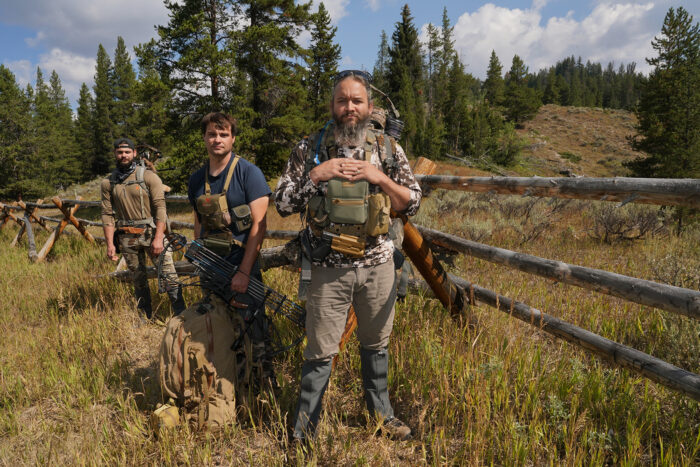
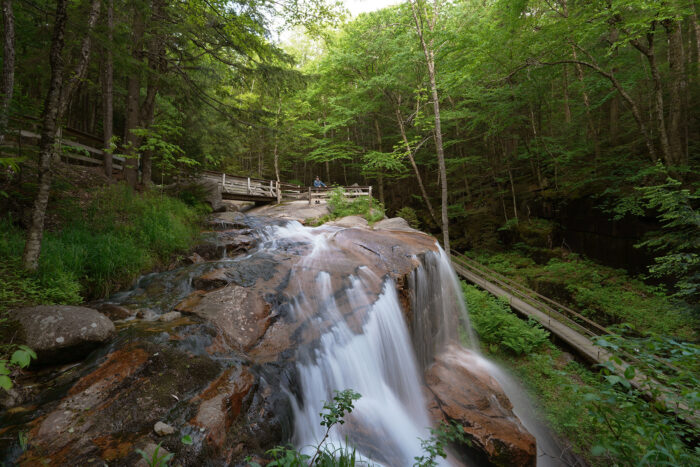
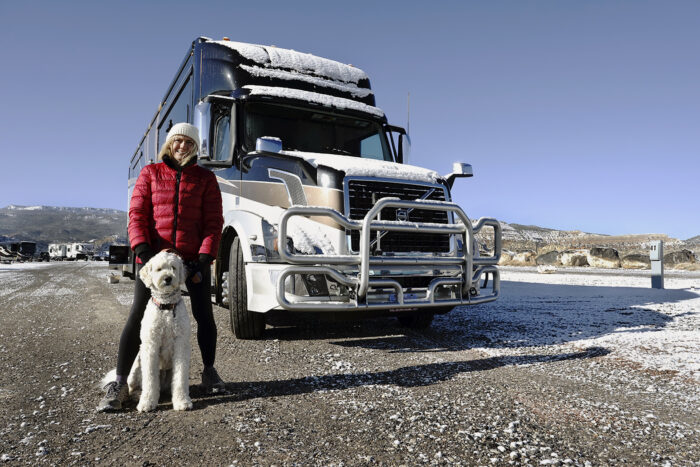
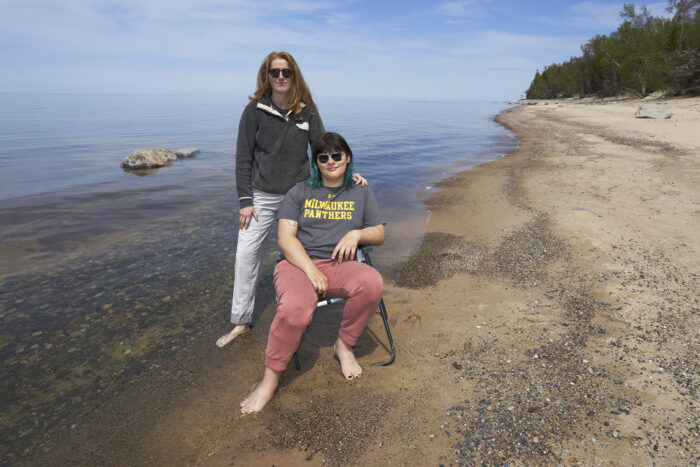
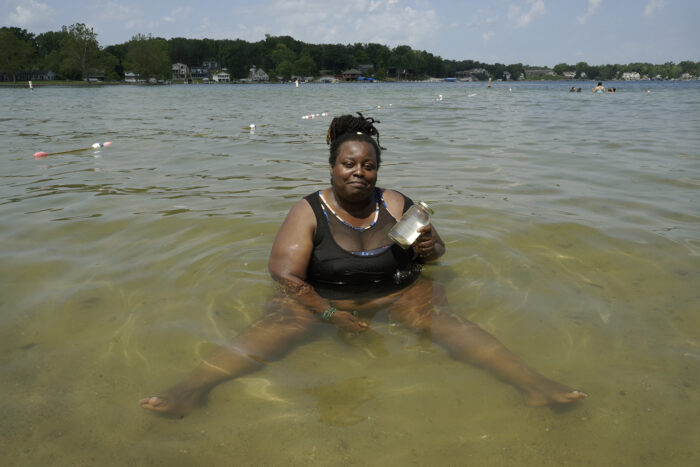
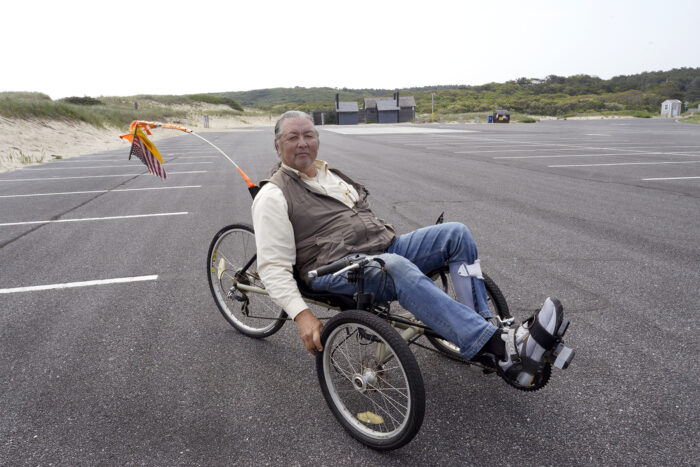
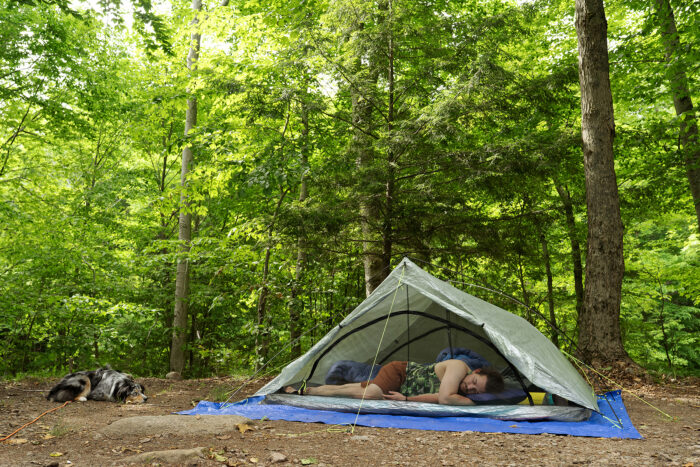
Held in Trust: The Public Lands We Share is a documentary photographic project exploring the beauty, fragility, and shared responsibility of America’s public lands. It is both a celebration and a call to action—created against a backdrop of mounting political pressures, where debates over land use, privatization, and resource extraction increasingly collide with the promise of public access and shared stewardship.
In the spring of 2025 distress flags appeared in national parks and Congress proposed selling up to three million acres of public land. At the same time, new administrative declarations accelerated fossil fuel production and rolled back environmental safeguards. It was in this climate that I began researching and photographing.
The foundation for public ownership of these lands traces back to 1892, when the U.S. Supreme Court affirmed the public trust doctrine. This legal principle establishes that certain natural resources are held in trust by the state for the benefit of the people—ensuring their protection and guaranteeing public access. While government bears the responsibility of stewarding these resources, the public retains the right to access, enjoy, and advocate for their preservation. Both the state and the people are essential stakeholders in their future.
Public lands are a national inheritance—an American idea nearly unmatched elsewhere in the world. Together, we share ownership of roughly 640 million acres, about 28 percent of the nation’s land. These places encompass deserts, forests, mountains, and coastlines, supporting thousands of species, including many that are rare or endangered. They also safeguard Indigenous heritage sites, historic landmarks, and cultural landscapes that shape our collective identity. And they offer extraordinary opportunities for recreation, solitude, connection, and reflection.
Public enthusiasm for these lands continues to grow. In 2024, the National Park Service recorded a record 331.9 million recreation visits and 1.4 billion visitor hours. The Bureau of Land Management reported 81 million visitors, and the U.S. Forest Service reported 27 million. The U.S. Fish and Wildlife Service’s most recent national survey counted 39.9 million anglers, 14.4 million hunters, and 148.3 million wildlife watchers.
Yet the future of these lands is increasingly uncertain. Human impact is straining ecosystems and infrastructure. Climate change is fueling more severe wildfire seasons, drought, and species loss. Political agendas are driving regulatory rollbacks and policies that weaken protections and open the door to expanded privatization, extraction, development, and pollution. These forces threaten the ecological health of public lands and the cultural, historical, and recreational value they hold for millions.
While debates over the ownership and use of public lands are longstanding, today’s pressures have created unprecedented conflict over access, preservation, and the future of these shared places. Across the country, competing values are colliding: political demands on one side, and on the other, a deep-rooted belief in conservation, public access, and collective responsibility. As a result, the promise of public lands as a national legacy is becoming increasingly fragile—demanding renewed attention, public engagement, and shared resolve.
This raises urgent questions: What is my role, and what is our role as the public, in safeguarding these resources for future generations?
For me, the answer lies in participation—and in using the narrative power of photography to honor these landscapes and illuminate what is at stake. Even in troubling times, creating hopeful images is not naïve. It is necessary. We need reminders of how magnificent our public lands are, how deeply we cherish them, and what we stand to lose if we fail to protect them.